Agricultural Irrigation
Introduction
Irrigation water from rivers, canals, lakes, reservoirs, ponds, wells, and reclaimed-water sources may contain sand, silt, algae, organic debris, and suspended solids that can accumulate in pipelines and clog drip emitters, sprinkler nozzles, valves, and other irrigation components, resulting in uneven water distribution and increased maintenance. Fengnuochang provides filtration equipment and customized solutions for agricultural irrigation systems, with different filtration technologies selected according to the water source, contaminant characteristics, flow rate, required filtration accuracy, and irrigation method to protect irrigation networks, maintain stable water delivery, and reduce manual cleaning.
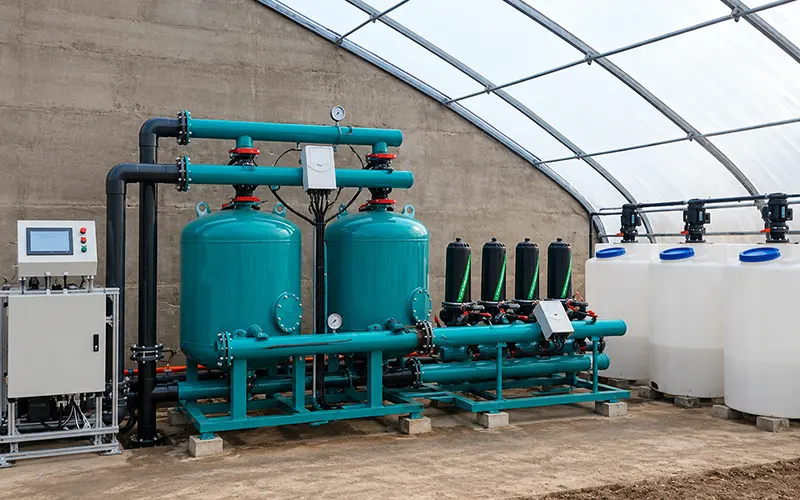
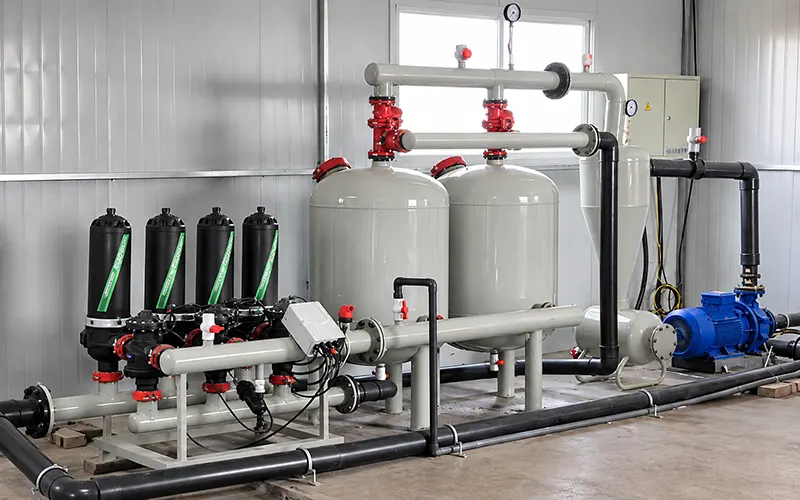
Agricultural Irrigation
Irrigation water from rivers, canals, lakes, reservoirs, ponds, wells, and reclaimed‑water sources may contain sand, silt, algae, organic debris, and suspended solids that can accumulate in pipelines and clog drip emitters, sprinkler nozzles, valves, and other irrigation components, resulting in uneven water distribution and increased maintenance. Fengnuochang provides filtration equipment and customized solutions for agricultural irrigation systems, with different filtration technologies selected according to the water source, contaminant characteristics, flow rate, required filtration accuracy, and irrigation method to protect irrigation networks, maintain stable water delivery, and reduce manual cleaning.
IRRIGATION FILTRATION EQUIPMENT
Different irrigation‑water conditions require different filtration methods. Rather than selecting equipment based only on pipe size or flow rate, the type and concentration of contaminants should also be considered.
-
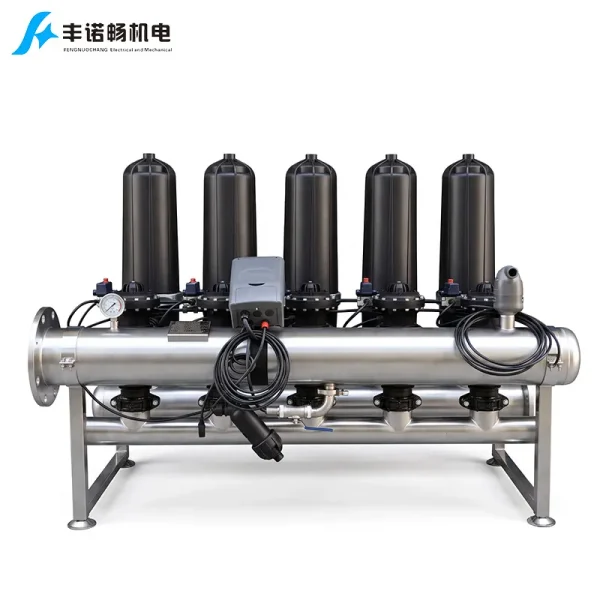
Disc Backwash Filters
Designed for automatic particle filtration in drip, sprinkler, and greenhouse irrigation systems. The disc structure captures suspended particles before they reach emitters and nozzles, while automatic backwashing helps restore filtration performance and reduce frequent manual cleaning.
They are particularly suitable where reliable particle control and automatic operation are required. -
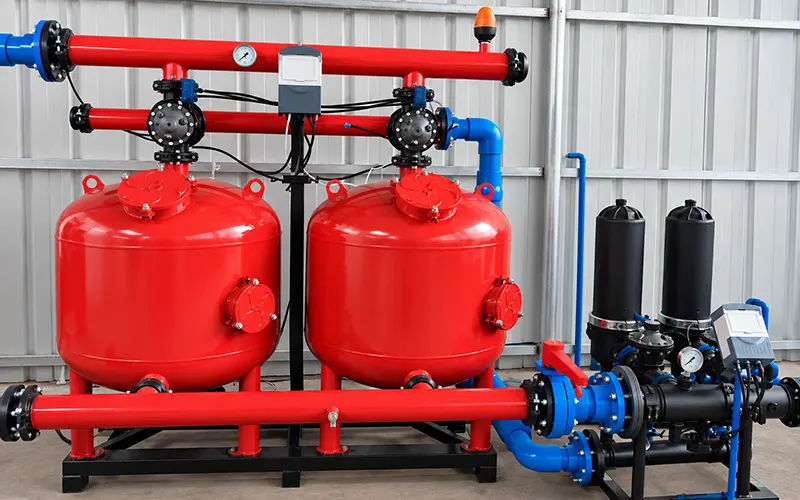
Shallow Sand Backwash Filters
Suitable for irrigation water containing sand, sediment, suspended organic matter, and other suspended impurities. The filter media provides depth filtration, while automatic backwashing helps restore filtration performance after contaminant accumulation.
They are particularly useful for surface‑water sources such as rivers, lakes, reservoirs, and ponds. -
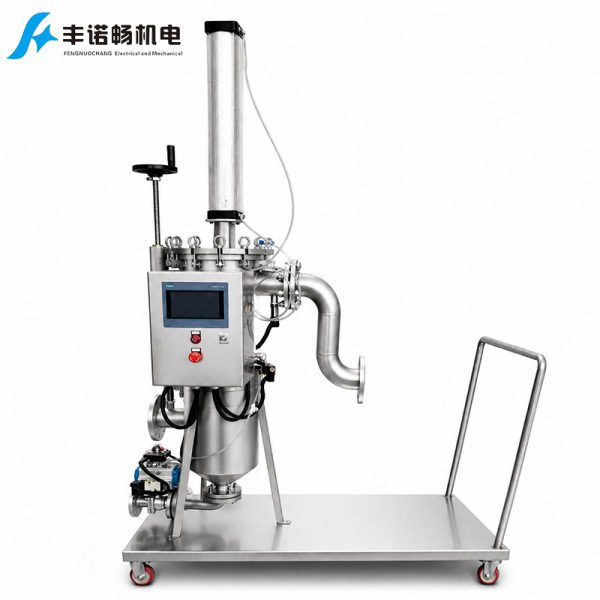
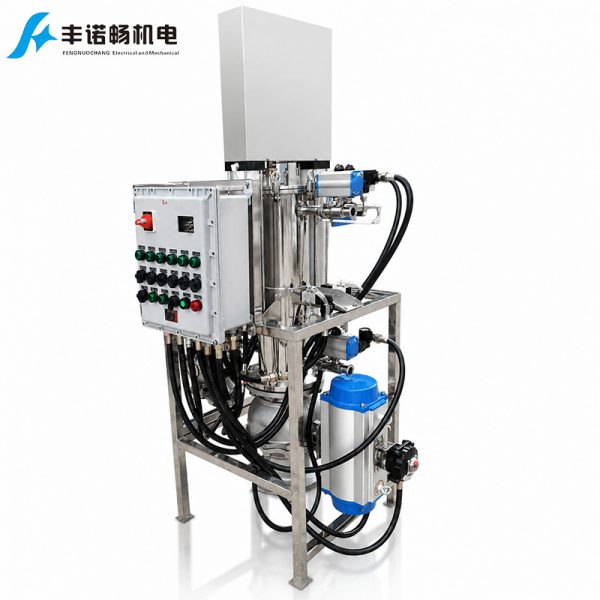
Automatic Self‑Cleaning Filters
Suitable for continuous filtration in high‑flow and long‑duration irrigation systems. Depending on the configuration, brush, scraper, or suction cleaning mechanisms automatically remove accumulated contaminants from the filter screen, helping reduce downtime and manual maintenance.
Equipment can be configured according to water quality, flow capacity, particle size, and required filtration accuracy. -
Multi‑Media Backwash Filters
Use different filter‑media layers to remove suspended solids, sediment, and turbidity from irrigation water.
They are suitable where raw‑water conditions require deeper pretreatment before water enters downstream irrigation or finer filtration equipment. -
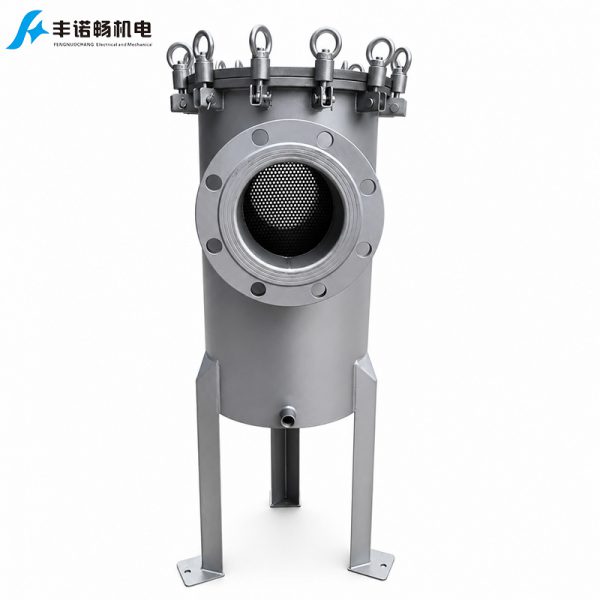
Basket Filters
Provide simple and reliable coarse filtration for larger debris such as leaves, stones, and other particles.
They can be installed as an initial protection stage before pumps, pipelines, and finer filtration equipment. -
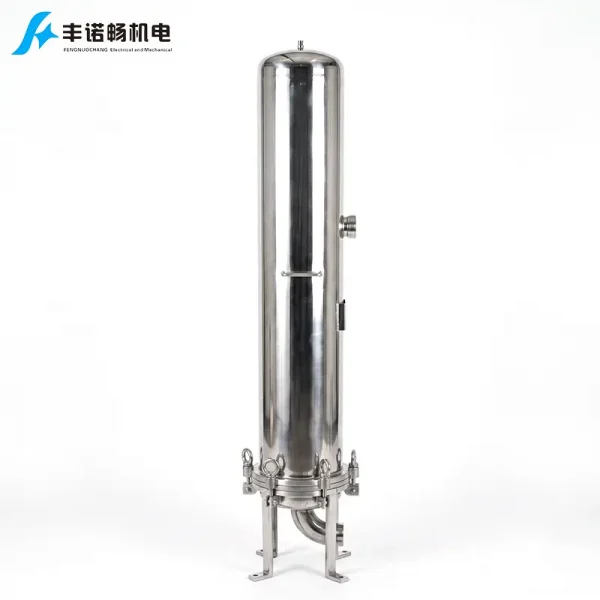
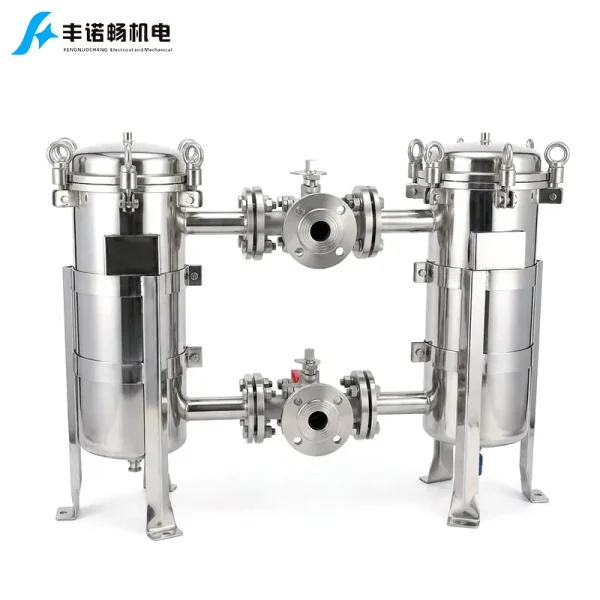
Bag Filters
Can be used as secondary or supplementary filtration where additional particle removal is required.
Different filter bag micron ratings can be selected according to irrigation‑water quality, downstream equipment requirements, and the required filtration accuracy.
START WITH YOUR IRRIGATION WATER SOURCE
The contaminant profile can vary significantly between different water sources. Understanding the source water is therefore one of the most important steps when designing an irrigation filtration system.
-
River & Canal Water
River and canal water may contain silt, sand, algae, leaves, suspended organic matter, and other particles, with contaminant loads often changing according to local and seasonal conditions.
Recommended Filtration: Shallow Sand Backwash Filters + Disc Backwash Filters
The sand filtration stage helps reduce sediment and suspended organic matter, while disc filtration provides further particle control before water enters the irrigation network. -
Lake, Reservoir & Pond Water
Open‑water sources may contain algae, organic debris, suspended solids, and fine sediment.
Recommended Filtration: Shallow Sand Backwash Filters + Automatic Self‑Cleaning Filters
This combination provides depth filtration for contaminant‑heavy source water followed by automatic particle interception to support more stable downstream operation. -
Well & Groundwater
Groundwater may contain sand, mineral particles, sediment, and other suspended matter, depending on local geological conditions.
Recommended Filtration: Self‑Cleaning Filters / Disc Backwash Filters
For water containing significant sand loads, appropriate sand‑removal or pretreatment equipment should be selected according to actual water analysis. -
Reclaimed Water for Irrigation
Reclaimed water may still contain residual suspended solids and particulate matter after upstream treatment.
Recommended Filtration: Disc Backwash Filters + Self‑Cleaning Filters
Automatic filtration helps control residual particulate matter after upstream water treatment and provides additional protection for irrigation pipelines and emitters.
PROTECTING DIFFERENT IRRIGATION SYSTEMS
Water‑quality and filtration requirements also vary according to the irrigation method. The filtration system should therefore be selected not only according to the water source, but also according to the downstream irrigation equipment.
-
Drip Irrigation
Drip emitters have small flow passages and are particularly sensitive to particulate contamination.
Filtration Priority: Fine particle control and reliable automatic cleaning.
Disc Backwash Filters and suitable Self‑Cleaning Filters can help reduce emitter blockage and maintain more consistent water distribution.
The required filtration rating should be selected according to emitter specifications, raw‑water quality, and particle characteristics. -
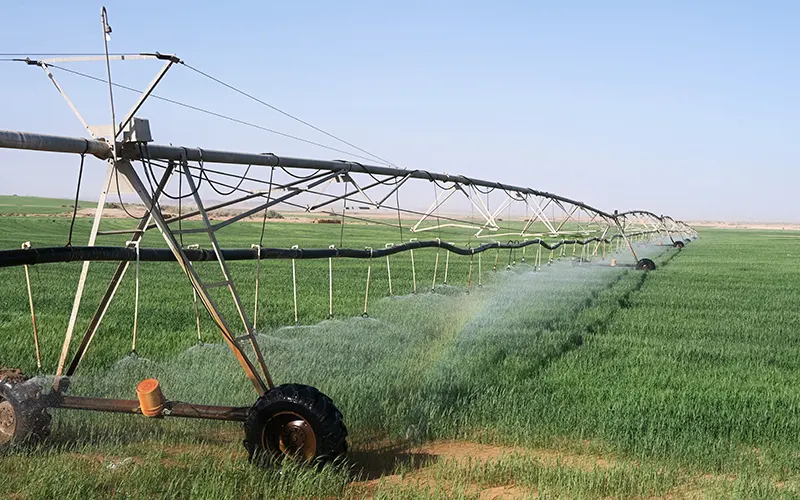
Sprinkler Irrigation
Sprinkler nozzles can be affected by sand, debris, and suspended particles, especially when surface water is used.
Filtration Priority: Sediment removal and nozzle protection.
Shallow Sand Backwash Filters, Self‑Cleaning Filters, and Disc Filters can be selected according to raw‑water conditions and sprinkler‑nozzle requirements. -
Greenhouse Irrigation
Greenhouse irrigation systems often require stable water delivery and reliable protection for smaller irrigation components.
Filtration Priority: Consistent particle control with reduced maintenance.
Automatic Disc Backwash Filters can provide continuous filtration while reducing the need for frequent manual cleaning. -
Large‑Scale Agricultural Irrigation
Large farms and centralized irrigation networks often involve high flow rates and long operating periods.
Filtration Priority: High‑flow capacity, automatic cleaning, and reduced maintenance.
Automatic Self‑Cleaning Filters and multi‑unit Disc Backwash Systems can be configured for higher‑capacity irrigation projects.
AUTOMATIC BACKWASHING FOR CONTINUOUS IRRIGATION
One of the main challenges in agricultural irrigation filtration is contaminant accumulation during long operating cycles. Frequent manual cleaning can increase labor requirements and interrupt water delivery.
Fengnuochang automatic backwash and self‑cleaning filtration systems can be configured to remove accumulated contaminants while minimizing interruption to normal filtration.
Depending on the equipment and system configuration, cleaning can be initiated by:
-
Pressure Differential
When contaminant accumulation increases the pressure difference across the filtration element to a preset value, the cleaning cycle can be initiated automatically.
-
Preset Time Interval
Cleaning cycles can be scheduled according to operating conditions and irrigation requirements.
-
System Control Requirements
Automatic valves and control components can be configured according to the requirements of the irrigation project.
Automatic cleaning is particularly useful for high‑flow, long‑duration, and centralized agricultural irrigation systems where frequent manual filter cleaning is undesirable.
WHY EFFECTIVE IRRIGATION FILTRATION MATTERS
-
Reduced Emitter & Nozzle Clogging
Remove sand, silt, suspended solids, and debris before they enter the irrigation network.
-
Stable Water Delivery
Help maintain consistent flow through pipelines, emitters, and sprinkler nozzles.
-
Reduced Manual Cleaning
Automatic backwashing and self‑cleaning technologies help minimize frequent manual filter cleaning.
-
Protection for Irrigation Equipment
Help protect pumps, valves, pipelines, emitters, and other downstream components from particulate contamination.
IRRIGATION FILTER SELECTION STARTS WITH WATER QUALITY
Choosing an irrigation filter based only on pipe diameter or flow rate is not enough. Different contaminants require different filtration approaches, and the filtration system should be selected according to both raw‑water conditions and downstream irrigation requirements.
For more accurate equipment selection, please provide:
- Water Source — River / Canal / Lake / Reservoir / Pond / Well / Reclaimed Water
- Irrigation Type — Drip / Sprinkler / Greenhouse / Other
- Required Flow Rate
- Main Contaminants — Sand / Silt / Algae / Organic Debris / Suspended Solids / Other
- Required Filtration Accuracy
- Operating Pressure
- Inlet / Outlet Pipe Size
- Automatic Backwash Requirement
Based on these conditions, Fengnuochang can recommend a suitable filter type, filtration accuracy, cleaning method, equipment size, and system configuration.
SEND US YOUR IRRIGATION WATER CONDITIONS
Our engineers will recommend a suitable filtration solution for your agricultural irrigation system.