Edible Oil
Introduction
Edible oil processing handles liquids with different viscosities, solids concentrations, temperatures, and filtration requirements. Freshly pressed crude oil may contain seed residues and suspended solids, while refined oil may require final particle control before filling. Fengnuochang provides industrial filtration equipment for soybean, sunflower, rapeseed, peanut, corn, palm, sesame, and other edible oils. Equipment can be configured for coarse impurity removal, prefiltration, solid-liquid separation, clarification, and final polishing according to oil properties and production conditions.
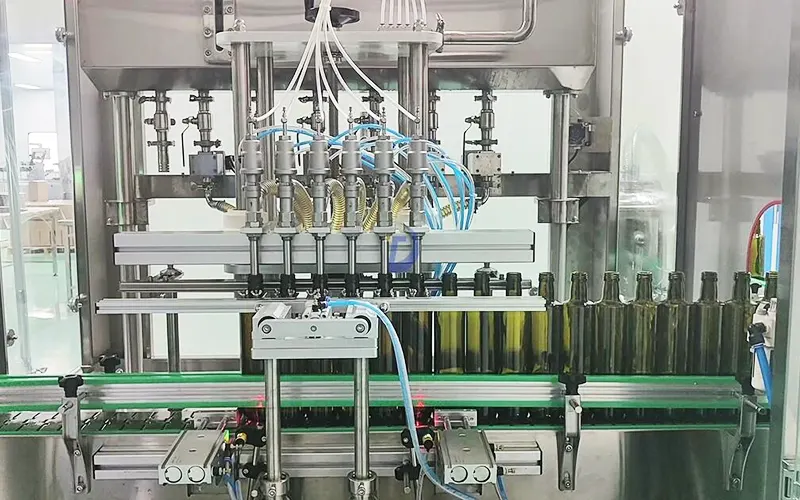
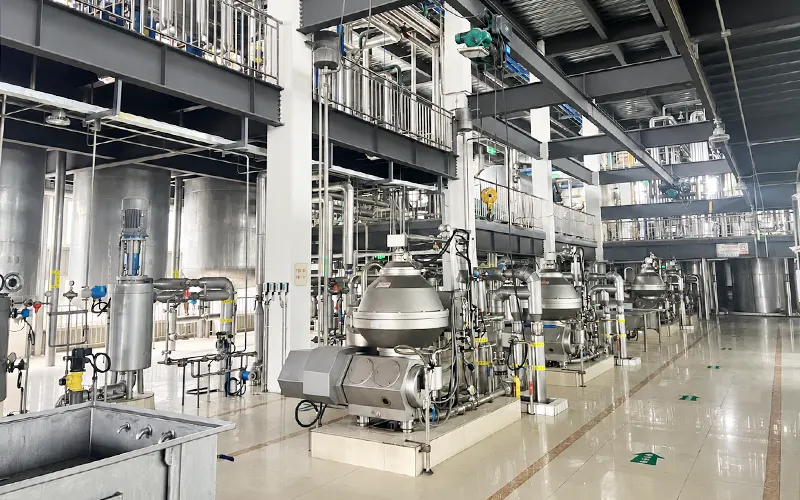
FILTRATION EQUIPMENT FOR EDIBLE OIL PROCESSING
Edible oil filtration should not be selected according to micron rating alone. Oil viscosity, operating temperature, solids loading, particle characteristics, filtration stage, and required finished‑oil clarity can all influence equipment selection and filtration performance.
-
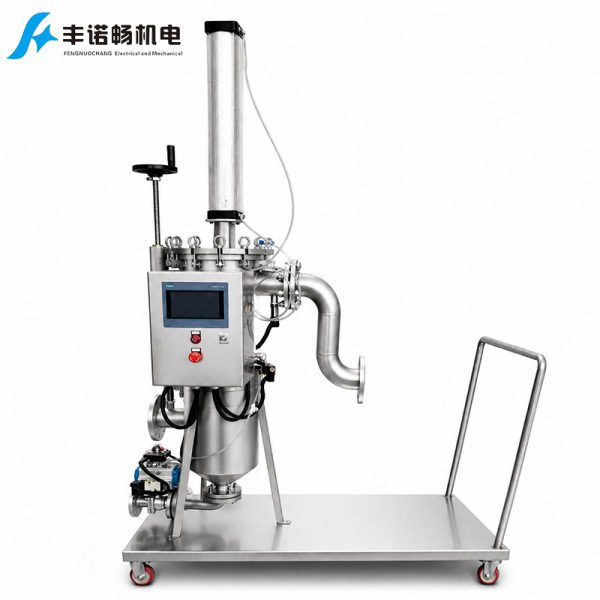
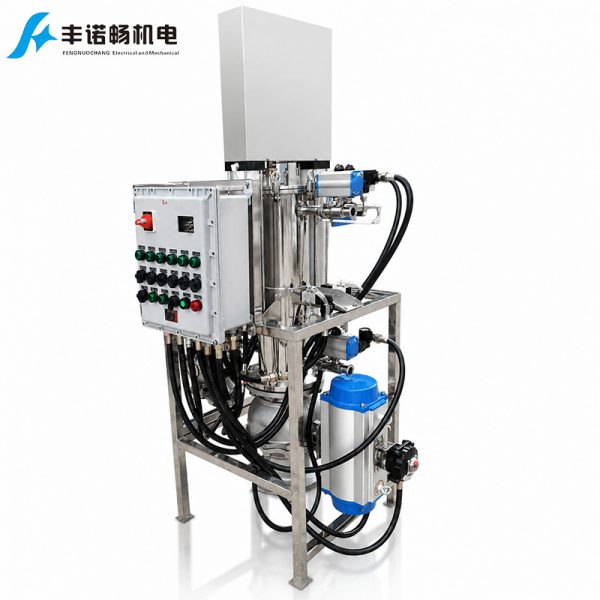
Scraper Self‑Cleaning Filters
Scraper self‑cleaning filters support continuous filtration of compatible edible‑oil process liquids containing suspended particles. They can be considered for higher‑viscosity or clogging‑prone applications.
The scraper removes accumulated particles from the screen, helping maintain flow, reduce blockage and manual cleaning, and limit the solids load reaching downstream filters.
Typical applications can include crude vegetable oil pre‑filtration, pressed‑oil clarification, process‑oil filtration, and upstream protection of finer filtration equipment. -
Leaf Filters
Leaf filters provide a relatively large effective filtration area and are particularly suitable for solid‑liquid separation processes involving bleaching earth, activated carbon, wax crystals, filter aids, and other suspended solids.
They can be applied in bleached‑oil filtration, winterized‑oil filtration, crude‑oil clarification, and other processes where solids separation and filter‑cake formation are required. -
Candle Filters
Candle filters support enclosed clarification and solid‑liquid separation of compatible oils containing suspended particles.
Backwash configurations can help remove accumulated solids from the filter elements and restore filtration performance.
Candle filters can be used for selected process clarification and secondary filtration applications where residual suspended solids or adsorbent particles require further reduction. -
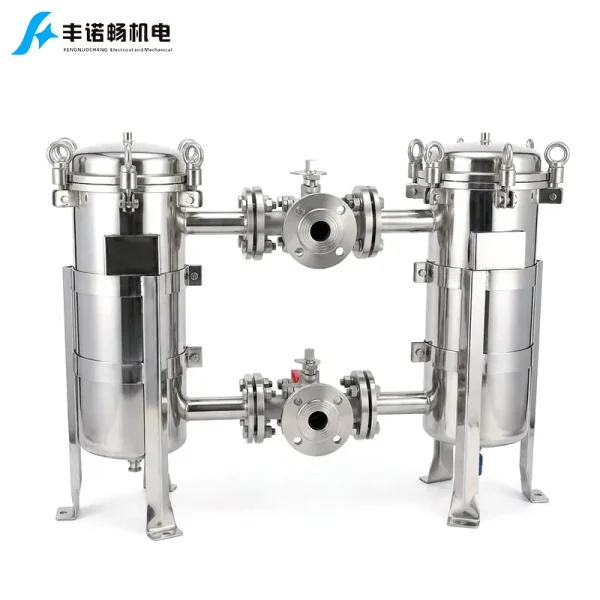
Bag Filters
Bag filters provide economical intermediate filtration, safety filtration, and downstream equipment protection.
Bag filters can capture residual suspended solids and particulate carryover after upstream processing. Different filter bag materials and micron ratings can be selected according to oil characteristics and filtration requirements. -
Jacketed Bag Filters
For selected edible‑oil applications, maintaining process temperature can help manage oil viscosity during filtration.
Jacketed bag filters can help maintain operating temperature for temperature‑sensitive or higher‑viscosity oils.
Equipment sizing and jacket configuration should be selected according to the actual oil viscosity, operating temperature, flow rate, pressure, and process requirements. -
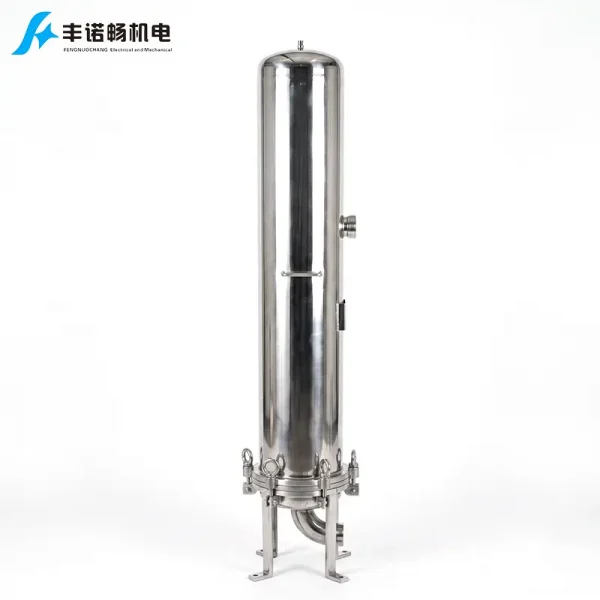
Cartridge Filters
Cartridge filters provide fine particle filtration and polishing in later processing stages.
Cartridge filters provide finer particle control and can be used to reduce residual particulate impurities before storage, filling, packaging, or other downstream processes. -
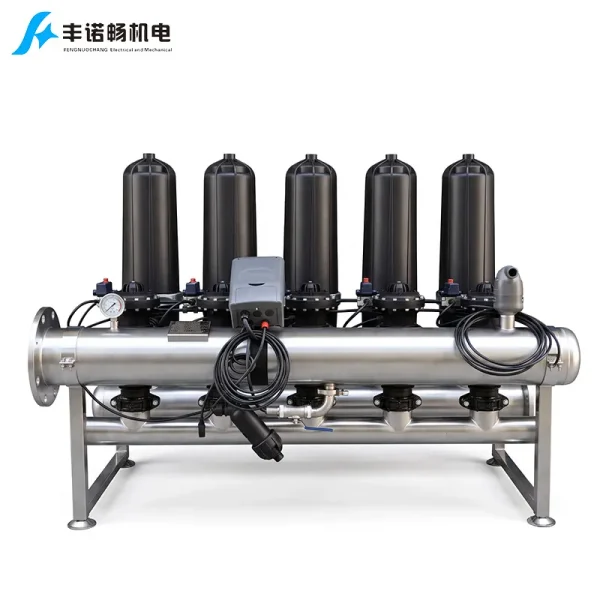
Stacked Filters
Stacked filters offer a compact configuration for clarification and polishing of selected edible oils.
Different filtration media can be configured according to oil characteristics, residual particle levels, and required filtration performance. -
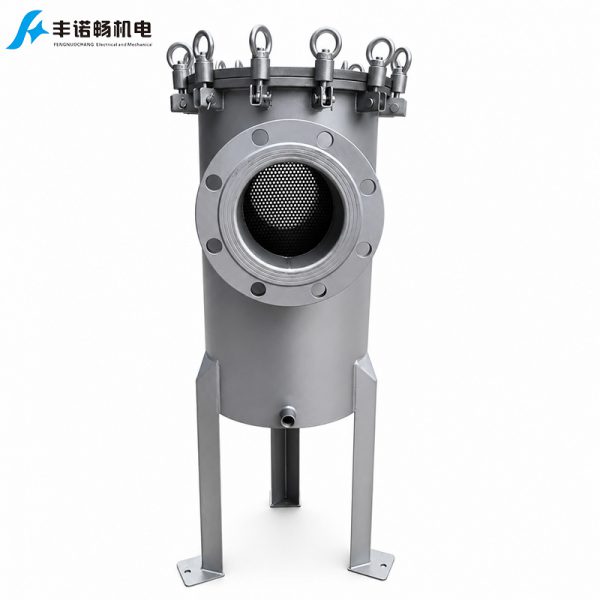
Basket Filters
Basket filters provide coarse particle removal and pipeline protection.
Basket filters intercept larger particles, seed fragments, fibers, and foreign matter before they reach pumps, heat exchangers, valves, and finer filtration equipment. -
Magnetic Filters for Ferrous Contaminant Control
Magnetic filters provide an additional protection stage where ferrous contaminants from processing machinery, tanks, pipelines, or other production equipment are a concern.
FILTRATION ACROSS THE EDIBLE OIL PROCESS
The filtration challenge changes as oil moves through production. Understanding your processing stage is therefore one of the most important steps when designing an edible‑oil filtration system. Select filtration technologies according to solids loading, oil properties, the processing stage, and downstream requirements.
-
01 — Crude & Pressed Oil Filtration
Freshly extracted or mechanically pressed oil can contain seed fragments, meal fines, fibers, sediment, and suspended solids. Higher viscosity and solids loading can also make static filtration more susceptible to blockage.
Recommended Filtration:
Coarse Impurity Removal: Basket Filters — Capture larger solids and foreign matter at the beginning of the filtration process, helping protect pumps and downstream equipment.
Continuous Pre‑Filtration: Scraper Self‑Cleaning Filters — Suitable for selected higher‑viscosity or clogging‑prone process oils containing suspended solids. Continuous cleaning of the filter screen can help reduce solids accumulation and frequent manual cleaning.
Primary Clarification: Leaf Filters + Candle Filters — Provide further solid‑liquid separation where additional clarification and solids reduction are required. -
02 — Bleached Oil Filtration
Bleaching processes can introduce bleaching earth, activated carbon, and other adsorbent materials that need to be separated from the oil after treatment.
Recommended Filtration:
Main Solid‑Liquid Separation: Leaf Filters — Provide filtration of bleaching earth and other suspended adsorbents through pressure filtration and cake formation.
Secondary Clarification: Candle Filters — Can be used in selected secondary clarification applications where residual suspended solids or adsorbent particles require further reduction.
Safety Filtration / Downstream Protection: Bag Filters — Capture residual particulate carryover after the main solid‑liquid separation stage, helping reduce solids entering subsequent processing equipment. -
03 — Winterized & Dewaxed Oil Filtration
Some vegetable oils may require cooling and winterization to separate crystallized waxes and other solid components that can affect appearance and cold stability.
Recommended Filtration:
Wax & Crystal Separation: Leaf Filters — Provide a filtration stage for separating crystallized solids after controlled cooling.
Secondary Particle Control: Bag Filters + Stacked Filters — Can provide additional clarification where smaller residual particles remain after the primary separation stage. -
04 — Refined Oil Safety Filtration
Even after the main refining stages, residual particles may remain in the oil or enter the process during transfer and storage.
Recommended Filtration:
Safety Filtration: Bag Filters — Provide a practical intermediate barrier for residual solids and particulate contamination.
Fine Particle Control: Stacked Filters + Cartridge Filters — Provide finer filtration where improved clarity and lower residual particle levels are required. -
05 — Final Polishing Before Filling
In later processing stages, filtration focuses on residual fine particles and finished‑oil appearance.
Recommended Filtration:
Fine Polishing: Cartridge Filters — Provide fine particle control before storage, filling, or packaging.
Additional Ferrous Contaminant Protection: Magnetic Filters — Can be incorporated where control of ferrous particle contamination is required by the production process.
FILTRATION SOLUTIONS FOR DIFFERENT EDIBLE OILS
Raw material, extraction method, viscosity, wax content, temperature, and refining process influence how an edible oil behaves during filtration.
-
Soybean & Rapeseed Oil
Depending on the refining process, filtration may involve: Crude Oil Clarification, Bleaching Earth Separation, Safety Filtration, Final Particle Polishing.
Filtration Priority: Equipment should be selected according to solids loading and the specific refining stage. -
Sunflower & Corn Oil
Sunflower and corn oils may also require wax separation, depending on the oil and finished‑product requirements.
Filtration Priority: Filtration should account for both suspended solids and crystallized material generated during cooling or winterization. -
Peanut & Sesame Oil
Pressed oils may contain seed residues, fine meal particles, sediment, and suspended solids.
Filtration Priority: Pre‑filtration and clarification are therefore important considerations before finer downstream filtration stages. -
Palm Oil
Depending on the processing and refining stage, filtration can be used for coarse particulate removal, process clarification, and downstream protection.
Filtration Priority: Actual equipment selection should be based on oil condition, temperature, solids loading, and the specific production process. -
Cold‑Pressed & Specialty Oils
These oils can vary considerably in viscosity, natural suspended‑solid content, and required finished‑product appearance depending on raw material and extraction method.
Filtration Priority: Configure filtration according to the individual oil and the required product quality.
A PROGRESSIVE FILTRATION APPROACH
For oils containing relatively high solids loads, installing a very fine filtration stage at the beginning of the process can result in rapid blockage and frequent filter‑media replacement.
A progressive filtration arrangement allows larger contaminants and heavier solids to be removed first, reducing the burden on subsequent finer filtration stages.
Typical progressive filtration workflow:
-
Coarse Protection — Basket Filter
Crude / Pressed Oil: Large solids & foreign matter removal -
Continuous Pre‑Filtration — Scraper Self‑Cleaning Filter
Suspended solids reduction & reduced filter blockage -
Main Solid‑Liquid Separation — Leaf Filter / Candle Filter
Suspended solids, adsorbents & process residue separation -
Safety / Intermediate Filtration — Bag Filter / Stacked Filter
Residual particle control -
Fine Polishing — Cartridge Filter
Fine particle control, then to Storage / Filling / Further Processing
This example shows possible filtration stages rather than a fixed production sequence. Select the stages needed for the oil, contaminant load, processing conditions, and finished‑product requirements.
DESIGNED FOR THE CHALLENGES OF EDIBLE OIL FILTRATION
-
Higher‑Viscosity & Clogging‑Prone Liquids
Oil viscosity can increase pressure loss and make filtration surfaces more susceptible to solids accumulation. For selected applications, scraper self‑cleaning filtration provides an option where continuous cleaning and reduced blockage are important. -
Oil Viscosity & Operating Temperature
Evaluate oil viscosity at the intended operating temperature when selecting filtration equipment. Size equipment and filtration area for these conditions and the required flow rate. For suitable higher‑viscosity applications, jacketed equipment can also be considered where process‑temperature control is required. -
Efficient Handling of Process Solids
Leaf and candle filters provide different filtration approaches for separating bleaching earth, filter aids, wax crystals, and other suspended solids generated during edible‑oil processing. -
Progressive Safety & Polishing Filtration
Bag, stacked, and cartridge filters allow progressively finer particle control to be configured according to residual solids and finished‑oil clarity requirements. -
SS304 & SS316L Options
Stainless steel equipment configurations are available according to processing requirements. Equipment material, surface treatment, filter elements, sealing components, and connections should be selected according to the process medium and operating conditions. -
Customized for Your Oil Process
Filtration area, flow capacity, media, micron rating, vessel size, connections, pressure rating, cleaning method, and system arrangement can be configured for your oil and production line.
SELECT FILTRATION EQUIPMENT BASED ON YOUR OIL CONDITIONS
Equipment selection starts with the oil properties and processing conditions. Oils with the same target micron rating may require different equipment because their viscosity, solids concentration, temperature, and contaminants differ.
For more accurate equipment selection, please provide:
- Oil Type — Soybean / Sunflower / Rapeseed / Peanut / Corn / Palm / Sesame / Other
- Processing Stage — Crude / Pressed / Bleached / Winterized / Refined / Final Polishing
- Required Flow Rate
- Main Solids / Impurities
- Solids Concentration & Approximate Particle Size
- Target Micron Rating
- Oil Viscosity & Operating Temperature
- Operating Pressure
- Material & Connection Requirements
- If available, please also tell us your current filtration method and the main filtration problem you want to solve.
Based on these conditions, Fengnuochang can recommend a filter type, media, filtration area, equipment size, cleaning method, and filtration arrangement.
DISCUSS YOUR EDIBLE OIL FILTRATION NEEDS
Send us your oil type, processing stage, flow rate, solids condition, target micron rating, viscosity, temperature, and pressure. If some details are unavailable, describe your oil and the filtration problem you want to solve. Our engineers can help identify the information needed for equipment selection.