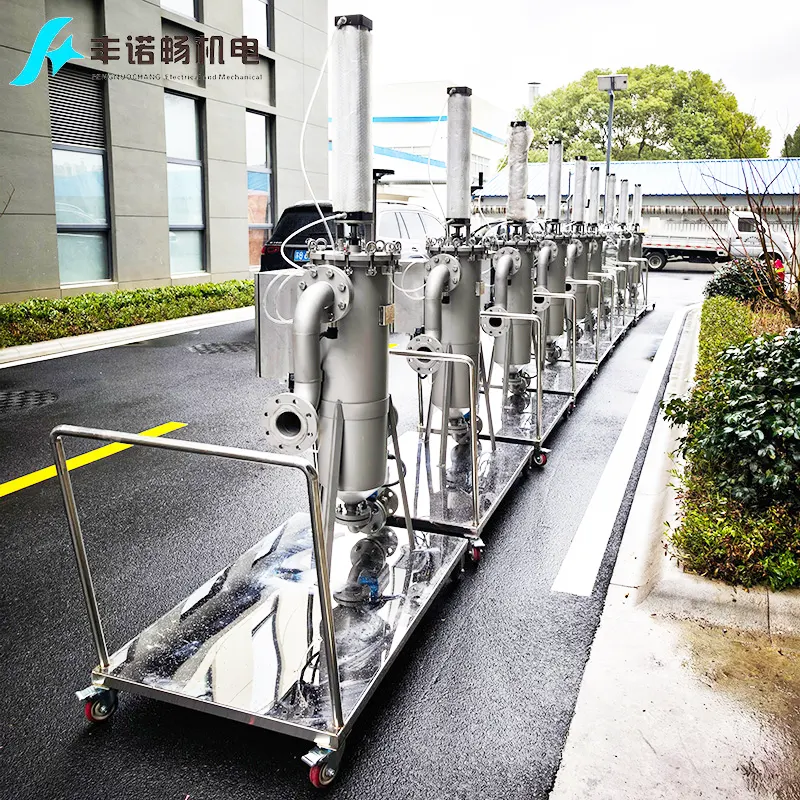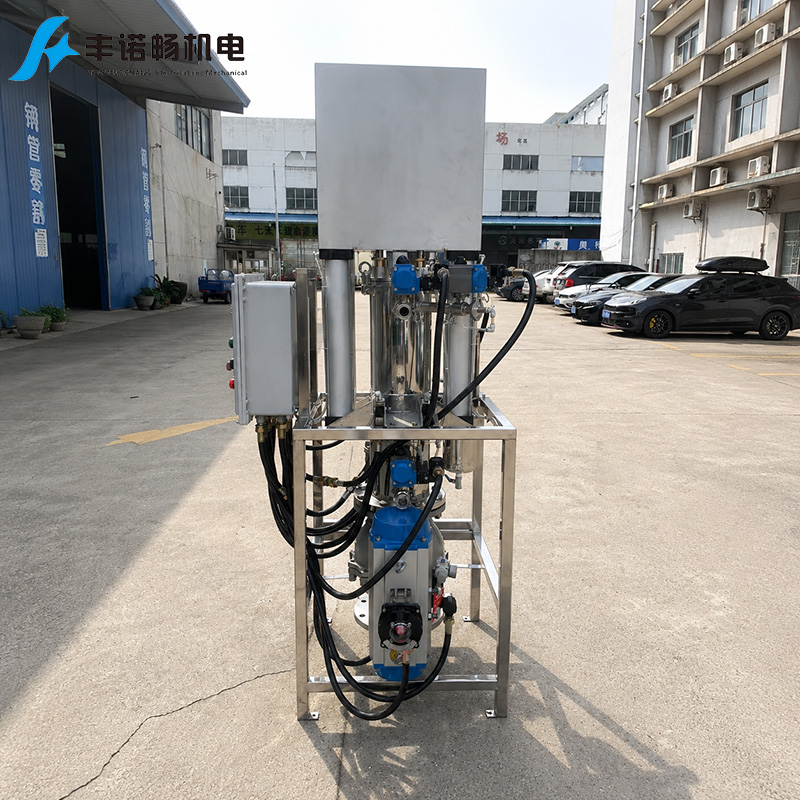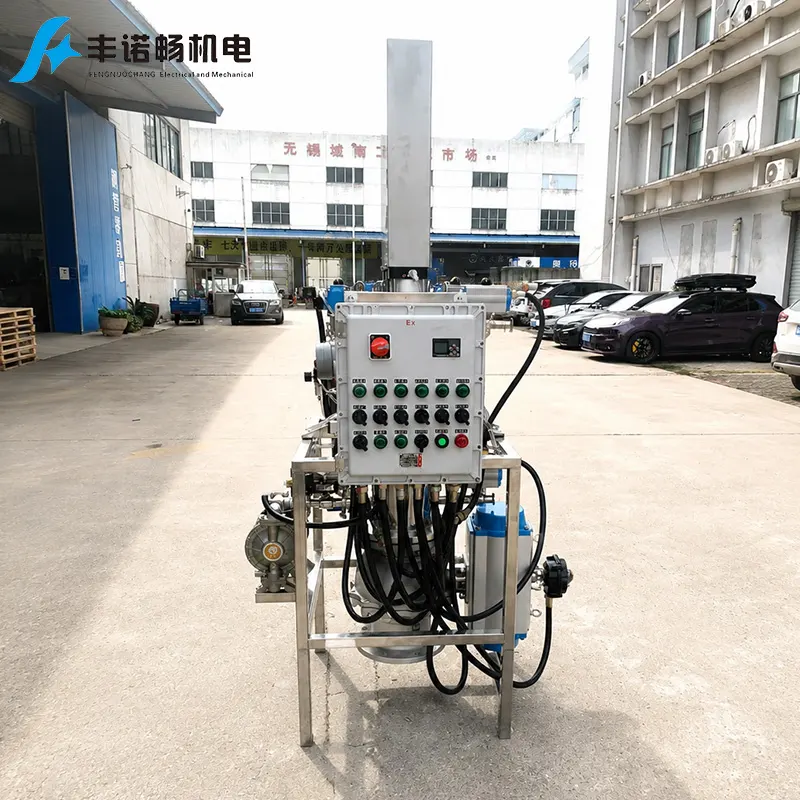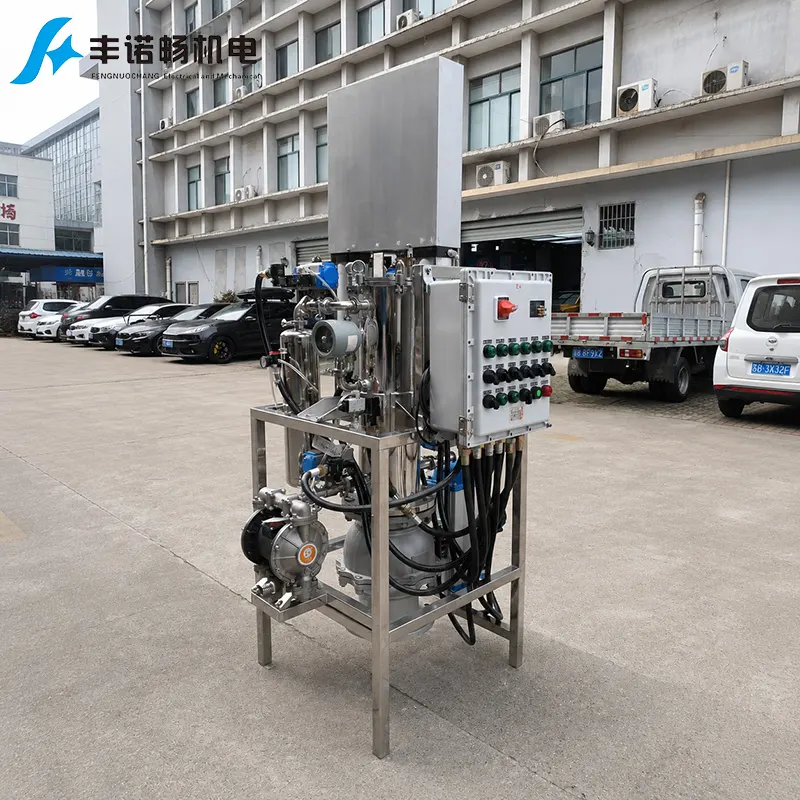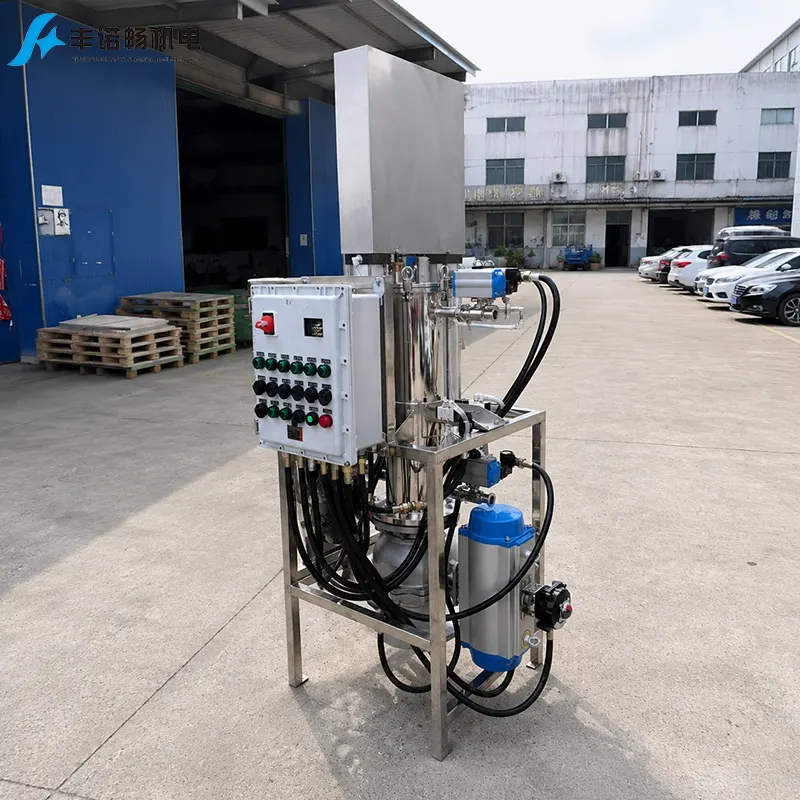
Stainless steel bag filter, a basic equipment for precision filtration of fluids, widely used across various industries
In the industrial production process, processes such as welding, grinding, material mixing, and chemical volatilization generate dust, oil fumes, odors, and suspended particulate matter. These not only pose health hazards to operators but also adhere to the surfaces of precision equipment and products, affecting production quality. Air filters, as crucial equipment for industrial environmental purification, rely on multi-stage filtration structures to intercept dust, aerosols, and harmful particulate matter in the air. They are available in both fixed and mobile models, suitable for scenarios such as overall workshop ventilation, localized workstation purification, and air treatment in enclosed spaces. They are widely used in industries like machinery manufacturing, welding processing, pharmaceuticals and food, chemical fibers, and new materials, meeting the dual needs of occupational health and production quality.
The key performance of the product focuses on graded filtration and environmental adaptation. Mainstream air filters adopt a multi-stage filtration architecture, with the primary filter screen intercepting large particles of dust and flocculated matter, the middle layer of filter material filtering fine particles and oil fumes, and advanced models equipped with activated carbon layers to adsorb chemical odors and volatile harmful gases. Some high-precision models can filter micron-sized suspended particles, purifying the air from all directions. The equipment features a rich gradient of fan air volume, with small models suitable for single-station local purification and high-flow models capable of serving overall ventilation and filtration in large workshops. The body is made of sturdy plates, with a tight sealing structure, reasonable filtration airflow direction, and stable purification efficiency. Models are launched for different working conditions: welding station models enhance the filtration capacity of oil fumes and welding smoke; high-dust workshop models increase the dust holding capacity of filter materials and extend the filter screen replacement cycle; clean workshops such as pharmaceutical and food industries use high-precision air filters to meet the cleanliness standards of the production environment. The equipment operates with reasonable noise control, so even if it is arranged next to the operator's workstation, it will not affect normal operations.
Combining with subdivided application scenarios, air filters achieve full-scenario coverage. In mechanical processing and welding workshops, metal dust generated by grinding and welding fumes generated by welding are the main sources of pollution. Local mobile air filters can be targeted at the dust-generating workstations for purification, collecting pollutants from the source and preventing smoke and dust from spreading throughout the workshop. In chemical fiber and new material production workshops, raw material processing generates fiber dust and slight odor. Large fixed air filters are connected to the workshop ventilation system to achieve full-area air circulation and filtration, maintaining clean air in the workshop. Pharmaceutical and food processing have strict requirements for the cleanliness of the production environment. As an important component of the ventilation system, air filters intercept external particulate matter and prevent pollutants from mixing with raw materials and finished products, meeting industry hygiene standards. Electroplating and chemical workshops have a small amount of volatile gases. Air filters equipped with activated carbon filter layers can adsorb harmful odors and improve the workshop operating environment. In optical photovoltaic product production workshops, tiny dust in the air can scratch precision products. High-precision air filters create a clean production space and ensure product yield.
Compared to traditional window ventilation and simple exhaust methods, professional air filters have obvious advantages. Window ventilation* can achieve air convection, but it cannot filter fine dust and harmful gases, and is greatly affected by the outdoor environment, resulting in little effect in work conditions with severe dust and odor. Simple exhaust equipment simply discharges pollutants directly without purification treatment, which can easily cause air pollution around the factory area and does not meet environmental protection requirements. Industrial air filters use physical filtration methods, trapping pollutants inside the filter material. The purified air can be circulated indoors or discharged outside after meeting standards, balancing environmental protection and indoor environment. The equipment layout is flexible. Fixed models can be integrated into workshop ventilation ducts, while mobile models can be adjusted with the production line, adapting to production line modifications and workstation changes. The filter screen replacement is simple, and the maintenance is convenient, with a long service life for the entire machine. At the same time, the entire series of products comply with industrial safety standards, featuring fireproof and anti-static design, suitable for flammable and explosive chemical and spray painting workshop conditions.
With increasingly stringent environmental regulations and enterprises' increasing emphasis on occupational health, workshop air purification has become a standard component of industrial production. Air filters, with their features of graded purification, diverse scenarios, and stable operation, simultaneously address three major issues: production environment, product quality, and environmental emissions. From single-point workstation purification to whole-workshop air treatment, and from ordinary dust filtration to harmful gas adsorption, a complete industrial air purification system has been established with a full range of air filtration equipment. In the future, driven by the concept of green manufacturing, air filters will continue to iterate filter material technology, enhance purification efficiency, and create a healthy, clean, and compliant production environment for various industries.